Shortage Cycles of Semi Equipment Components (RF Generators, Vacuum Pumps, Ceramics)
Semiconductor equipment may command the headlines, but behind every etcher, deposition tool, or plasma cleaner sits a network of critical components that quietly determine whether fabs can actually run at full capacity. RF generators and matching networks power plasmas, vacuum pumps sustain clean low‑pressure environments, and ceramic parts protect chambers while withstanding extreme conditions. When these components fall into shortage, the impact cascades through tool delivery schedules, fab utilization, and ultimately chip supply.

This blog post explores the shortage cycles of key semi equipment components—RF generators, vacuum pumps, and ceramics. It examines why these items are prone to bottlenecks, how demand surges and supply constraints interact, and what strategies the industry can use to better manage these cycles.
Why components matter as much as full tools
From a distance, it is tempting to think of semiconductor equipment as monolithic machines delivered on a schedule and operated as units. In reality, each tool is a complex assembly of subsystems: RF power supplies, pumps, valves, seals, ceramics, controllers, sensors, and more.
Many of these components come from specialized suppliers whose products are qualified for specific processes and performance levels. A delay in any one critical component can hold up the shipment or operation of an entire tool, regardless of whether the main equipment vendor is ready.
Understanding shortage cycles therefore requires zooming in from the level of “tools” to the level of “components,” where the real supply bottlenecks often emerge.
The nature of shortage cycles

Shortage cycles in semi equipment components generally follow broader semiconductor investment cycles but with their own lags and amplifications. During demand booms, fabs and equipment makers place large orders for tools, which translate into increased demand for components. When this demand exceeds component suppliers’ capacity, lead times stretch and shortages appear.
Over time, suppliers respond by expanding capacity, adding shifts, and qualifying new production lines. When demand eventually cools, component makers may find themselves with excess capacity and inventory, leading to price pressure and underutilization until the next cycle begins.
The result is a repeating pattern of tightness and slack, often more pronounced for highly specialized components that cannot be easily substituted or sourced from many vendors.
RF generators and matching networks: power at the core of plasma tools
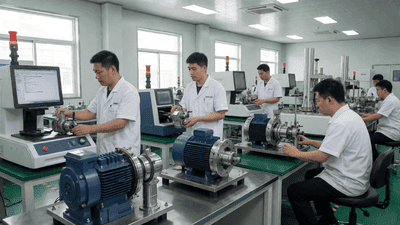
RF generators and matching networks are essential to plasma‑based tools like etchers, PECVD reactors, and plasma cleaners. They deliver controlled RF power to excite process gases and sustain stable plasmas, with precise tuning needed to achieve target etch or deposition characteristics.
RF systems must handle demanding specifications: high power, frequency stability, fast response, and robustness in harsh environments. They are often customized or tightly configured for specific tool models and process recipes, limiting interchangeability across platforms.
When equipment demand spikes, RF suppliers must ramp deliveries quickly. If they lack sufficient capacity or face component constraints (such as power electronics or specialized parts), lead times can elongate, delaying tool shipments or forcing equipment vendors to juggle allocations among customers.
Drivers of RF component shortages
RF shortages tend to emerge when multiple market forces converge. Strong upturns in etch and deposition tool demand—driven by new fabs, advanced node migrations, or 3D architectures—raise the need for RF systems across many customers simultaneously.
Broader electronics trends can exacerbate this pressure. If power semiconductors, capacitors, inductors, or other subcomponents used inside RF generators are themselves tight, RF makers face compounded constraints. Regulatory or supply disruptions affecting specific materials may also play a role.
Because RF systems require extensive qualification and tuning, equipment vendors cannot easily switch to alternative suppliers in a pinch. This stickiness means any capacity gap at incumbent RF suppliers can quickly create systemic bottlenecks.
Vacuum pumps: the backbone of low‑pressure processes
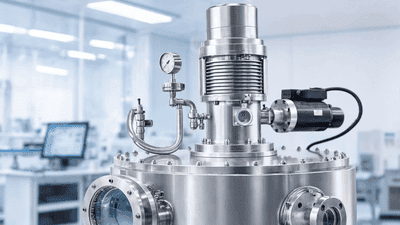
Vacuum pumps are the backbone of semi equipment, enabling low‑pressure environments necessary for lithography, etch, deposition, and many other processes. Primary pumps, turbomolecular pumps, dry pumps, and backing pumps all contribute to achieving stable and clean vacuum conditions.
Pumps must meet strict requirements: low vibration, high reliability, minimal contamination, and adequate pumping speeds for different process chambers. They often operate continuously, making robustness and maintenance critical.
Vacuum pump suppliers serve not only semiconductor equipment, but also broader industries—chemicals, pharmaceuticals, research labs, and other vacuum applications. When semi demand surges, pump makers must balance multiple sectors, and capacity constraints can quickly become apparent.
Vacuum pump shortage dynamics
Shortages in vacuum pumps often arise during phases of rapid fab construction or major technology transitions. Each new tool and process chamber typically requires multiple pumps, and expansions across several fabs or regions can multiply demand dramatically.
Pump manufacturing involves precision machining, sealing technologies, and sometimes specialized coatings or materials. Scaling capacity is not instant; it requires investment, skilled labor, and time to bring new lines online. If suppliers are cautious about over‑expansion due to memories of past downturns, they may ramp more slowly, contributing to tight supply.
Maintenance and replacement needs add another dimension. Existing fabs continuously consume pump capacity for spares and replacements. When new build‑outs compete with ongoing operations for limited pump production, shortages become more pronounced.
Ceramics: silent heroes inside process chambers
Ceramic parts—such as chamber liners, focus rings, electrostatic chucks, and shields—play vital roles inside process chambers. They protect metal components from plasma and chemical attack, provide electrical insulation, and help shape plasma and gas flows.
Ceramics for semi applications must withstand high temperatures, reactive gases, and mechanical stresses, all while maintaining strict dimensional tolerances and surface properties. Materials like alumina, silicon carbide, and other advanced ceramics are common, and fabrication processes can be complex.
Ceramic components are often customized to specific tool designs and process patterns. Their geometric complexity and tight tolerances limit the number of suppliers capable of producing them consistently at scale.
Ceramic shortage cycles
Ceramic shortages tend to appear when demand for particular tool types or process nodes ramps quickly. For example, increased etch tool demand for advanced nodes or high‑layer‑count 3D NAND can drive up consumption of specific liners and rings with complex shapes.
Manufacturing advanced ceramics involves sintering, machining, and sometimes coating steps that require specialized equipment and expertise. Lead times can be long, particularly for customized parts. When capacity is saturated, equipment vendors may face delays integrating new tools or maintaining existing ones if spare parts are slow to arrive.
Because ceramic parts are wear components that eventually need replacement, shortages can affect both new tool delivery and ongoing operations. If fabs must stretch part lifetimes due to limited supply, they risk higher defectivity or process instability.
Interaction between component shortages and full‑tool supply
Shortages in RF generators, vacuum pumps, or ceramics do not exist in isolation; they interact with full‑tool supply chains. Equipment makers plan builds based on expected component deliveries. When a critical component is delayed, entire tool shipments can slip, even if other subsystems are ready.
In some cases, vendors may ship tools with partial configurations and install certain components later at the fab site, but this adds logistical complexity and requires careful coordination. More often, component bottlenecks simply postpone shipping schedules and push back fab ramp timelines.
From the fab’s perspective, this makes component shortages indistinguishable from full‑tool shortages. They see delayed equipment and slower capacity expansion, even though the root cause lies in specific upstream items.
Amplification mechanisms: bullwhip effects and over‑ordering
Shortage cycles can be amplified by bullwhip effects and over‑ordering. When fabs and equipment vendors perceive tightness in RF systems, pumps, or ceramics, they may place larger or earlier orders to secure supply. Component suppliers, seeing surging orders, may struggle to discern actual end demand.
This can lead to extended lead times and perceived scarcity, encouraging further over‑ordering as customers attempt to protect themselves. If underlying demand later softens, suppliers may be left with excess capacity and inventory, contributing to the “bust” phase of the cycle.
Managing these dynamics requires transparency and trust between component makers, equipment vendors, and fabs, so that capacity expansions align more closely with true long‑term needs rather than short‑term panic.
Mitigation strategies: multi‑sourcing and inventory buffers
To mitigate shortage cycles, many equipment vendors and fabs pursue multi‑sourcing strategies, qualifying more than one supplier for critical components where feasible. This diversification reduces reliance on a single source and provides some cushion when one supplier faces constraints.
Inventory buffers and strategic stocking can also help. Maintaining safety stocks of RF modules, pumps, and key ceramics for high‑volume tools can buy time during tight supply periods. However, this ties up capital and must be balanced against the risk of obsolescence if technologies change.
Some companies also negotiate long‑term supply agreements with component vendors, securing prioritized capacity and clearer lead‑time commitments in exchange for forecast visibility and volume commitments.
Design and process adaptations
Another mitigation path involves design and process adaptations that make tools less vulnerable to particular component bottlenecks. For example, standardizing certain component interfaces or using modular designs can increase flexibility and enable more suppliers to participate.
Process engineers may adjust recipes to reduce wear on specific ceramics or to broaden acceptable pump and RF specifications, widening the pool of suitable parts. While such adaptations must be carefully validated to avoid yield impacts, they can increase resilience to shortages over time.
In some cases, longer‑life components are developed to reduce replacement frequency, easing pressure on supply chains and lowering the risk of operational disruptions during tight periods.
Strategic implications for component suppliers
For RF, pump, and ceramic suppliers, understanding and managing shortage cycles is a strategic imperative. Investing in flexible capacity, maintaining close relationships with equipment vendors and fabs, and participating in long‑term planning can help smooth demand and justify prudent expansions.
Suppliers can differentiate by offering more transparent communication about lead times and constraints, co‑developing solutions that reduce total cost of ownership, and innovating in product designs that enhance reliability and performance. These steps build trust and make their components preferred choices, even during constrained periods.
From a business perspective, balanced growth strategies that avoid over‑extension but still accommodate structural industry expansion are key to navigating cyclical swings without damaging long‑term viability.
The broader lesson: components as strategic assets
The shortage cycles of RF generators, vacuum pumps, and ceramics underscore a broader lesson: components are strategic assets, not mere commodities. Their availability and performance directly shape the ability of equipment vendors and fabs to deliver and operate tools at scale.
Ignoring component supply risks can lead to unpleasant surprises when cycles turn, while proactive management—multi‑sourcing, buffers, co‑development, and transparent planning—can turn potential bottlenecks into manageable challenges.
As semiconductor manufacturing continues to grow more complex and globally distributed, the importance of these component supply chains will only increase, making their shortage cycles a central concern for anyone seeking to understand and navigate the industry’s ups and downs.