

Indices

Impact of Semi Index Futures and Options Launch on Spot Volatility

Launching futures and options on a semiconductor index sounds, at first, like a technical market upgrade. In reality, it can change the behavior of the underlying spot market in meaningful ways. Once derivatives begin trading, the index is no longer just a benchmark for passive exposure or performance comparison. It becomes a reference point for hedging, speculation, arbitrage, and relative-value trading. That shift can affect liquidity, price discovery, and, most importantly, spot volatility.


Factor Exposure Analysis of Semi Indices: Momentum, Quality, and Value Factor Weights

Semiconductor indices are often discussed as if they are pure technology barometers, but in practice they behave like factor portfolios in disguise. Their returns are shaped not only by chip demand, earnings cycles, and industry structure, but also by persistent style factors such as momentum, quality, and value. That makes factor exposure analysis a useful way to understand semi indicators. If you know which factor dominates a semiconductor index, you can better explain why it outperforms, underperforms, or suddenly rotates relative to the broader market.

Regression of Semi Index Forward P/E vs. Forward 12-Month Returns

One of the most persistent questions in semiconductor investing is whether valuation really matters in the short to medium term. The sector is famous for cyclical swings, fast-rising expectations, and sharp reratings during AI and supply-constrained upcycles. That makes the relationship between forward P/E and forward 12-month returns especially interesting. A regression of semi index forward P/E against subsequent returns is not just an academic exercise. It is a practical way to test whether the market tends to reward or punish semiconductor valuations over the next year.

Practical Methods for Building Custom Semi Indices (Factor Tilts + Weight Optimization)

Building a custom semiconductor indicator is one of those ideas that sounds technical at first but becomes surprisingly intuitive once you break it down. The basic question is simple: instead of relying on a standard market-cap-weighted semiconductor index, what if you could design one that reflects the exact exposure you want? Maybe you want more AI design names, less foundry concentration, a stronger materials sleeve, or a better balance between growth and value. That is where factor tiles and weight optimization come in. Together, they offer a practical way to build a semi indicator that is not just representative, but intentional.

Tracking 5-Year Geographic Shifts of Global Leaders via the MSCI Semi Industry Index

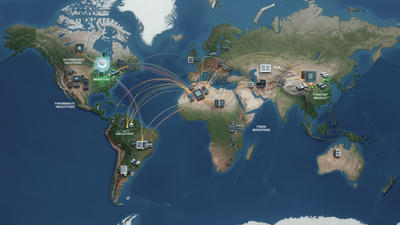
The semiconductor industry has never been more global, and yet at the same time, it has never been more geographically divided. Over the past five years, the center of gravity among global semiconductor leaders has shifted in noticeable ways, driven by AI demand, advanced packaging, supply chain security, regional industrial policy, and the growing importance of equipment and materials ecosystems. The MSCI Semi Industry Index offers a useful way to track these changes because it captures some of the world’s most important semiconductor and semiconductor equipment leaders across developed markets. Looking at its five-year evolution is therefore not just an index exercise. It is a way to understand how the global semiconductor map has been redrawn.

Compilation Differences and Tracking Choices Between CSI All-Share Semi and CES Semi Indices

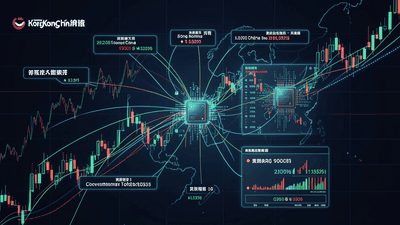
When investors compare China’s semiconductor indicators, the first instinct is often to ask which one is “better.” But that question is usually too simple. A more useful question is: what exactly is each index trying to capture, how is it built, and what does that mean for tracking choice? The CSI All Share Semi indicator and the CES Semi indicator may seem to point at the same industry, but they can behave quite differently because of the way they are compiled, weighted, and rebalanced. Those differences matter, especially for investors who want semiconductor exposure that is either broader, purer, more liquid, or more representative of the domestic ecosystem.

SOX Index Major Component Overhaul in 2026: Inclusion and Exclusion Predictions

The SOX index has always been more than a stock market ticker. It is a shorthand for where the semiconductor industry is investing, where the market believes growth will come from, and which companies are viewed as essential to the next cycle of digital infrastructure. In 2026, that importance is even more pronounced because semiconductors are no longer just a technology sector. They are an AI, data center, advanced packaging, and supply chain story all at once. That makes the composition of the SOX index unusually consequential.

Industry Reclassification of SOX: Shifting Weights of Equipment/Materials/Design/Manufacturing

The SOX index has always been more than a simple list of semiconductor stocks. It is a lens through which investors view the structure of the industry itself. When that lens changes, the market narrative changes with it. Industry reclassification inside SOX is not just a technical adjustment; it is a statement about what the semiconductor sector is becoming. If equipment, materials, design, and manufacturing are being weighted differently, then the index is no longer describing the same industry in the same way. It is telling a new story.

  • 1
  • 2
  • 3