Volume and Purity Upgrades of Electronic-Grade NaOH in Cleaning Processes
The semiconductor industry is entering a period of unprecedented manufacturing complexity as advanced chips, artificial intelligence processors, automotive semiconductors, and high-performance computing applications continue driving demand for higher-quality production processes. Among the many materials required for semiconductor fabrication, electronic grade sodium hydroxide (NaOH) has become an increasingly important chemical component in wafer cleaning and surface treatment processes.
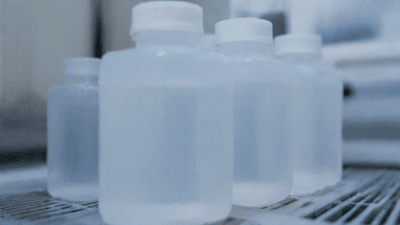
Although sodium hydroxide is a common industrial chemical used across many industries, semiconductor manufacturing requires an entirely different level of performance. Electronic grade NaOH must achieve extremely high purity, consistent chemical characteristics, and reliable supply stability. As semiconductor process technologies advance toward smaller geometries and higher integration levels, manufacturers are increasing both the volume requirements and purity standards for NaOH used in cleaning applications.
The evolution of electronic grade NaOH reflects a broader trend within the semiconductor materials industry. Chemical suppliers are no longer competing only on production capacity and price. They are increasingly focused on ultra-high purification technologies, contamination control, manufacturing consistency, and supply chain reliability.
The Role of NaOH in Semiconductor Cleaning Processes
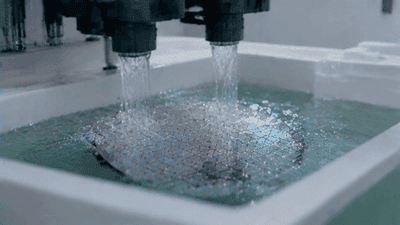
Semiconductor manufacturing involves hundreds of highly controlled process steps, and wafer cleaning is one of the most critical operations. During fabrication, wafers accumulate various contaminants, including organic residues, particles, metal ions, and process by-products. Removing these impurities is essential because even microscopic contamination can reduce chip performance and manufacturing yield.
Sodium hydroxide is widely used in semiconductor cleaning because of its strong alkaline properties. It can assist in removing organic contaminants, adjusting surface conditions, and supporting specific cleaning formulations. In some processes, NaOH is also used as part of alkaline cleaning solutions designed to prepare wafer surfaces for subsequent manufacturing steps.
The importance of cleaning increases as semiconductor feature sizes become smaller. At advanced technology nodes, contamination control becomes more difficult because smaller structures are more sensitive to defects. A particle or chemical impurity that might not affect older semiconductor generations can cause significant failures in advanced chips.
As a result, electronic grade NaOH must meet strict requirements far beyond conventional industrial chemical standards.
Why Electronic Grade NaOH Requires Higher Purity
The main difference between industrial-grade NaOH and electronic-grade NaOH is impurity control. Semiconductor manufacturing requires chemicals with extremely low levels of metallic contaminants, particles, and organic residues.
Metal ions such as iron, copper, sodium-related impurities, and other trace elements can interfere with semiconductor processes. These contaminants may affect electrical characteristics, reduce wafer yield, or create reliability issues in finished devices.
Electronic grade NaOH production therefore requires advanced purification technologies. Chemical manufacturers must carefully control raw material quality, production environments, filtration systems, packaging processes, and transportation conditions.
Purity levels are often measured in parts per billion or even lower depending on the application. Achieving such standards requires specialized manufacturing facilities and continuous monitoring systems.
The Growing Demand for Electronic Grade NaOH
The demand for electronic grade NaOH is increasing alongside global semiconductor production expansion. The rapid growth of artificial intelligence, cloud computing, electric vehicles, and smart devices has accelerated semiconductor manufacturing investment worldwide.
As more semiconductor fabrication plants are constructed, demand for high-purity process chemicals continues rising. Every wafer produced consumes a variety of chemicals, and cleaning processes represent a significant portion of total chemical usage.
Advanced semiconductor manufacturing also increases chemical consumption because smaller process geometries require more frequent cleaning and tighter contamination control. Higher wafer production volumes combined with stricter quality requirements create strong demand growth for electronic grade NaOH.
This trend is encouraging chemical suppliers to expand production capacity and upgrade purification capabilities.
Volume Expansion Challenges for Chemical Suppliers
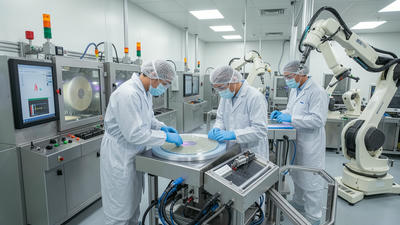
Increasing electronic grade NaOH production volume is not simply a matter of building larger factories. Semiconductor customers require stable quality performance across every batch, meaning suppliers must expand capacity without compromising purity.
Scaling production introduces several challenges. Larger production facilities require advanced equipment, improved process control systems, and highly trained technical teams. Any variation in manufacturing conditions can affect chemical quality and customer qualification status.
Semiconductor manufacturers typically conduct extensive supplier evaluations before approving a chemical source. Once a supplier is qualified, maintaining consistent performance becomes a long-term responsibility.
Because semiconductor production operates continuously, chemical suppliers must also maintain reliable logistics networks. Delays in chemical delivery can interrupt wafer production schedules and create significant financial losses.
Purification Technology Improvements
The development of advanced purification technologies is central to improving electronic grade NaOH quality. Chemical manufacturers are investing in improved filtration, ion exchange systems, contamination monitoring, and ultra-clean production environments.
One important challenge is reducing metallic contamination. Even extremely small concentrations of unwanted metals can negatively impact semiconductor processes. Suppliers must carefully select raw materials and eliminate contamination throughout the production chain.
Another focus area is particle control. Semiconductor fabs require chemicals with extremely low particle levels because particles can create defects during wafer processing. Production facilities must therefore use advanced filtration systems and contamination prevention procedures.
Packaging technology is also becoming increasingly important. Electronic grade chemicals must remain pure after production, during transportation, and throughout storage at semiconductor facilities.
The Connection Between NaOH Quality and Semiconductor Yield
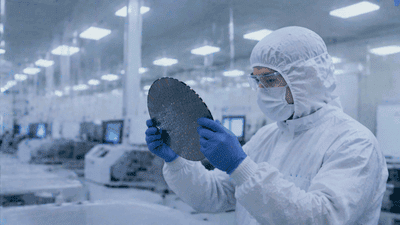
Semiconductor manufacturing economics depend heavily on yield improvement. A higher yield means more functional chips are produced from each wafer, reducing manufacturing costs and improving profitability.
Chemical quality plays an important role in achieving high yield. If electronic grade NaOH introduces contamination during cleaning processes, defects may increase and production efficiency may decline.
For advanced semiconductor manufacturers, the cost of chemical materials is relatively small compared with the value of finished chips. Therefore, manufacturers prioritize reliability and quality over minor price differences.
This creates opportunities for suppliers capable of delivering consistent electronic grade NaOH performance.
The Role of NaOH in Advanced Semiconductor Manufacturing
As semiconductor technologies continue evolving, cleaning processes are becoming more sophisticated. Advanced logic chips, memory devices, and specialty semiconductors all require precise surface control.
Modern semiconductor fabrication uses multiple cleaning steps throughout manufacturing. These steps remove residues after lithography, etching, deposition, and other processes.
The increasing number of process steps creates additional demand for high-quality chemicals. At advanced nodes, manufacturers cannot rely on traditional chemical specifications. They require materials specifically designed for semiconductor applications.
This trend is transforming electronic grade NaOH from a commodity chemical into a strategically important semiconductor material.
Regional Supply Chain Development
The semiconductor industry's focus on supply chain security has increased attention on domestic production of critical materials. Electronic grade NaOH is part of a broader effort to strengthen semiconductor material supply chains across different regions.
Historically, many advanced semiconductor chemicals have been supplied by a limited number of specialized companies. However, increasing geopolitical uncertainty and semiconductor investment diversification are encouraging new suppliers to enter the market.
Building competitive electronic grade chemical production requires significant investment in technology, quality systems, and customer relationships. Suppliers must demonstrate long-term reliability before gaining acceptance from major semiconductor manufacturers.
Regional supply chain development is expected to continue as semiconductor companies seek greater flexibility and risk management.
Competition Among Global Chemical Suppliers
The electronic grade NaOH market is becoming increasingly competitive as semiconductor demand expands. Leading chemical suppliers are investing in capacity expansion, technology upgrades, and strategic partnerships with semiconductor manufacturers.
Competition is shifting from basic chemical production toward advanced manufacturing capabilities. Suppliers with stronger purification technology and better contamination control systems will have advantages in semiconductor applications.
Customer relationships are also becoming more important. Semiconductor companies often work closely with chemical suppliers to optimize materials for specific manufacturing processes.
This collaboration creates long-term partnerships and raises barriers for new market entrants.
Future Outlook for Electronic Grade NaOH
The future growth of electronic grade NaOH will be closely connected with semiconductor industry expansion. As global demand for advanced chips increases, chemical consumption will continue growing.
Artificial intelligence infrastructure, electric vehicles, industrial automation, and next-generation communication technologies will all support semiconductor manufacturing growth.
At the same time, semiconductor processes will continue becoming more demanding. Future chips will require even stricter contamination control and higher material purity.
Chemical suppliers that successfully combine production scale with advanced purification capabilities will become increasingly important partners in semiconductor supply chains.
Conclusion
Electronic grade NaOH has become an essential material supporting modern semiconductor manufacturing. Although sodium hydroxide is widely used across many industries, semiconductor applications require exceptional purity, reliability, and manufacturing control.
The industry's continued expansion is driving both volume growth and technology upgrades for electronic grade NaOH production. Chemical suppliers must overcome challenges related to capacity expansion, contamination control, and supply chain reliability while meeting increasingly strict semiconductor requirements.
As semiconductor manufacturing moves toward more advanced technologies, the importance of high-purity process chemicals will continue increasing. Electronic grade NaOH represents a clear example of how seemingly simple materials can become strategically important components in the global semiconductor ecosystem.