SiC Substrate Cost Reduction Curve – Poised to Approach Silicon Levels in 2026
The semiconductor industry is entering a critical transition period as silicon carbide (SiC) technology moves from a specialized material platform toward broader commercial adoption. Once considered an expensive alternative semiconductor material, SiC is rapidly gaining importance in electric vehicles, renewable energy systems, industrial power equipment, and high-efficiency power electronics. A major factor determining the speed of adoption will be the continued decline of SiC substrate costs.
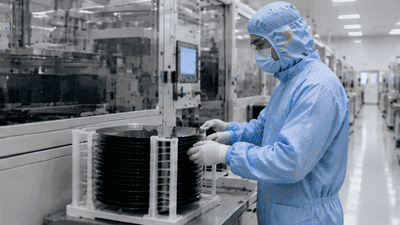
For years, the high price of SiC substrates has been one of the biggest obstacles preventing wider market penetration. Compared with traditional silicon wafers, SiC substrates require more complex crystal growth processes, specialized manufacturing equipment, and advanced defect-control technologies. These factors have kept SiC wafer prices significantly higher than silicon-based alternatives.
However, the industry is now approaching an important inflection point. Through manufacturing improvements, larger wafer sizes, improved production yields, supply chain expansion, and increasing competition among suppliers, the cost reduction curve of SiC substrates is accelerating. By 2026, industry expectations suggest that SiC substrate costs could move much closer to silicon-based cost levels, creating new opportunities for widespread adoption across power semiconductor markets.
The Strategic Importance of SiC in the Semiconductor Industry
Silicon carbide is a wide-bandgap semiconductor material with several advantages compared with conventional silicon. It offers higher breakdown voltage, greater thermal conductivity, faster switching performance, and improved energy efficiency. These characteristics make SiC particularly valuable in applications where power efficiency and thermal management are critical.
Electric vehicles represent the largest growth opportunity for SiC technology. Modern electric vehicle systems require highly efficient power conversion between batteries, motors, and charging systems. SiC-based power modules can reduce energy losses, improve driving range, and enable faster charging capabilities.
Beyond electric vehicles, SiC is increasingly used in renewable energy systems, including solar inverters, wind power equipment, and energy storage systems. Industrial applications such as factory automation, high-voltage power supplies, and railway systems also benefit from the performance advantages of SiC devices.
The expanding application landscape is creating strong demand for SiC substrates, encouraging manufacturers to invest heavily in capacity expansion and cost reduction technologies.
Why SiC Substrates Are Historically Expensive
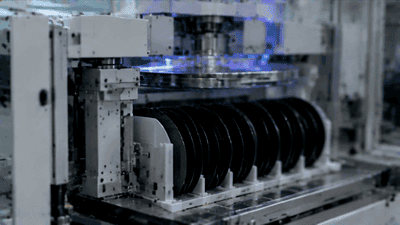
The high cost of SiC substrates is mainly related to the difficulty of producing high-quality crystal material. Unlike silicon, which has benefited from decades of manufacturing optimization and massive production scale, SiC remains a more challenging material to process.
SiC crystal growth requires extremely high temperatures and precise control conditions. The process is slower and more energy-intensive compared with traditional silicon wafer manufacturing. Producing defect-free SiC crystals is difficult because crystal imperfections can negatively affect device performance and manufacturing yield.
Another challenge is wafer processing. SiC is a very hard material, making cutting, polishing, and surface preparation more difficult than silicon processing. These additional manufacturing steps increase production costs.
Historically, limited supplier capacity also contributed to higher prices. A small number of companies controlled much of the global SiC substrate market, limiting competition and slowing cost reductions.
The Transition From 150mm to 200mm SiC Wafers
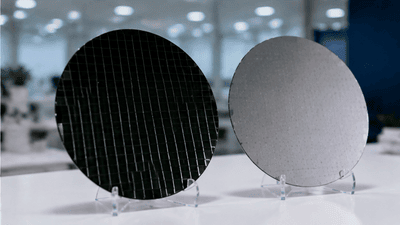
One of the most important drivers of SiC substrate cost reduction is the transition toward larger wafer sizes. Similar to the semiconductor industry's historical move from 200mm to 300mm silicon wafers, SiC manufacturers are increasingly moving from 150mm wafers toward 200mm wafers.
Larger wafers provide significant economic advantages because they allow manufacturers to produce more semiconductor devices from each wafer. Increasing wafer size reduces the cost per chip by improving material utilization and manufacturing efficiency.
Although 200mm SiC wafer production remains technically challenging, progress has accelerated in recent years. Manufacturers are improving crystal growth technology, reducing defects, and increasing production yields.
As 200mm SiC wafer production becomes more mature, the cost gap between SiC and silicon-based semiconductor materials is expected to narrow significantly.
Yield Improvement as a Major Cost Reduction Driver
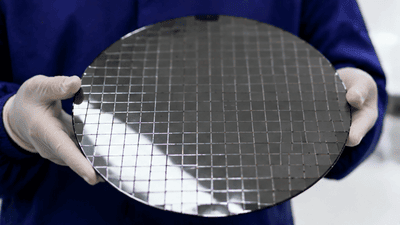
Manufacturing yield is one of the most important factors influencing semiconductor costs. A higher yield means more usable devices can be produced from each wafer, reducing the average manufacturing cost.
Early generations of SiC substrates suffered from relatively high defect densities. These defects reduced device performance and increased production losses. However, continuous investment in crystal growth technology and process control has improved SiC substrate quality.
Better defect management allows manufacturers to produce more functional devices from each wafer. As yields improve, the cost structure of SiC manufacturing becomes increasingly competitive.
Future cost reductions will depend not only on increasing production volume but also on achieving manufacturing consistency comparable to mature silicon processes.
Supply Expansion and Increasing Market Competition
The global SiC substrate market is becoming increasingly competitive as more companies enter the industry. Traditional leaders are expanding capacity, while new participants are investing in alternative technologies and production methods.
Increased competition creates pressure for suppliers to reduce prices and improve manufacturing efficiency. Semiconductor device manufacturers benefit from a broader supplier base because it reduces supply risks and improves negotiating power.
Governments and industrial organizations are also supporting domestic semiconductor supply chains, encouraging regional SiC production capabilities. These investments are expected to increase global capacity and accelerate cost reductions.
As supply becomes more abundant, SiC substrates are likely to move from a premium material category toward a more mainstream semiconductor manufacturing input.
The Role of Electric Vehicles in Driving SiC Cost Reduction
The electric vehicle market has become the primary catalyst behind SiC substrate investment. Automotive manufacturers require large volumes of efficient power semiconductor devices, creating strong demand for SiC-based solutions.
Early adoption focused mainly on premium electric vehicles because of the higher cost of SiC components. However, as substrate prices decline, SiC technology is expected to expand into broader vehicle segments.
Automotive demand provides manufacturers with the production scale needed to improve efficiency and reduce costs. The relationship between EV growth and SiC cost reduction creates a positive cycle where higher demand supports greater manufacturing investment.
By 2026, continued EV penetration could become one of the most important factors pushing SiC substrates closer to silicon-like economics.
Comparison Between SiC and Silicon Cost Structures
Silicon remains the dominant semiconductor material because of its mature ecosystem, enormous production scale, and decades of manufacturing optimization. The cost advantage of silicon is the result of continuous improvement over many generations.
SiC still faces disadvantages in raw material processing, manufacturing complexity, and production scale. However, the performance advantages of SiC allow it to compete in applications where efficiency improvements justify higher material costs.
The goal for SiC manufacturers is not necessarily to completely replace silicon. Instead, the objective is to reduce SiC costs enough that its performance benefits outweigh the remaining price difference.
As SiC substrate prices approach silicon levels, more applications will become economically attractive, expanding the addressable market for SiC devices.
Challenges That Could Slow Cost Reduction
Although the SiC cost reduction trend is strong, several challenges remain. Crystal growth technology continues to require improvement, especially for producing large-diameter wafers with low defect rates.
Scaling production too quickly could also create quality issues. Semiconductor customers require consistent material performance, and suppliers must balance capacity expansion with manufacturing reliability.
Another challenge is the complexity of the broader SiC ecosystem. Lower substrate costs alone are not enough. Device manufacturing processes, packaging technologies, and supply chain infrastructure must also continue improving.
Additionally, competition from other technologies, including advanced silicon solutions and gallium nitride devices, could influence future SiC adoption rates.
The Impact on Semiconductor Manufacturers
The decline of SiC substrate costs will have significant implications for semiconductor manufacturers. Lower material costs will improve profitability and encourage greater investment in SiC device production.
Power semiconductor companies are already expanding SiC manufacturing capacity to capture future demand growth. As substrate prices decline, these companies can offer more competitive solutions to automotive and industrial customers.
Lower SiC costs may also accelerate innovation in power electronics. Engineers will have greater flexibility to design systems around SiC advantages, leading to improvements in energy efficiency and system performance.
Investment Trends in SiC Manufacturing
The expected reduction in SiC substrate costs has triggered substantial investment across the semiconductor ecosystem. Companies are building new crystal growth facilities, expanding wafer production lines, and developing advanced processing technologies.
Investment is focused not only on increasing capacity but also on improving manufacturing efficiency. The companies that achieve the best combination of scale, quality, and cost control will likely become the leading suppliers in the future SiC market.
Strategic partnerships between substrate manufacturers, device makers, and automotive companies are also becoming increasingly common. These collaborations help accelerate technology development and provide demand visibility for suppliers.
Future Outlook Toward 2026 and Beyond
The SiC substrate market is approaching a major transformation. Continued improvements in wafer size, manufacturing yield, production scale, and supplier competition are expected to drive significant cost reductions over the next several years.
By 2026, SiC substrates may reach a cost structure much closer to traditional silicon in many applications. While complete cost parity may remain challenging, the economic advantage of SiC technology will continue improving.
This shift will likely accelerate adoption across electric vehicles, renewable energy, industrial power systems, and advanced electronics.
The semiconductor industry has repeatedly demonstrated that manufacturing scale and technological innovation can transform expensive technologies into mainstream solutions. SiC appears to be following a similar path.
Conclusion
The cost reduction curve of SiC substrates represents one of the most important developments in the power semiconductor industry. High manufacturing costs have historically limited SiC adoption, but technological improvements and expanding production capacity are rapidly changing the market landscape.
The transition toward larger wafers, improved yields, stronger supplier competition, and growing electric vehicle demand are creating conditions for significant cost declines. As SiC substrate prices continue moving closer to silicon levels, the technology will become accessible to a wider range of applications.
By 2026, SiC may no longer be viewed as an expensive specialty material but as a mainstream semiconductor platform capable of supporting the next generation of energy-efficient technologies.