Shelf Life and Inventory Management of Semi Materials – A Test of Supply Chain Resilience
The semiconductor industry is one of the most sophisticated manufacturing ecosystems in the world, relying on thousands of materials with extremely strict quality requirements. From silicon wafers and photoresists to specialty gases, electronic chemicals, and packaging materials, every component must meet precise specifications to ensure stable semiconductor production.

Unlike many traditional manufacturing industries, semiconductor production cannot simply tolerate material shortages or quality fluctuations. A single missing chemical or expired material batch can interrupt an entire production line, causing significant financial losses and delaying customer deliveries.
This makes shelf life management and inventory control of semiconductor materials a critical component of supply chain resilience. Companies must balance two competing objectives: maintaining enough inventory to protect against supply disruptions while avoiding excessive stock levels that create expiration risks and unnecessary costs.
As semiconductor supply chains become increasingly complex due to geopolitical uncertainty, technology transitions, and growing global demand, effective material inventory management has become a strategic capability rather than a simple operational task.
The Unique Characteristics of Semiconductor Material Inventory
Semiconductor materials differ significantly from ordinary industrial supplies. Many semiconductor materials require extremely high purity, controlled storage environments, and specialized handling procedures.
Materials used in semiconductor manufacturing are often sensitive to contamination, temperature changes, humidity, and chemical degradation. Even when a material remains within its official expiration date, improper storage conditions can affect its performance.
For example, photoresists used in lithography require precise chemical stability to maintain exposure performance. Specialty gases require strict container management and purity monitoring. Electronic chemicals must be protected from contamination throughout transportation and storage.
These characteristics mean that semiconductor inventory management is not simply about counting available quantities. It requires continuous monitoring of material quality, remaining shelf life, storage conditions, and production demand forecasts.
Why Shelf Life Has Become a Strategic Supply Chain Issue
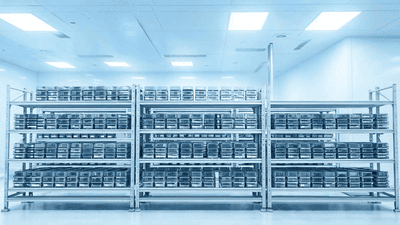
Historically, semiconductor companies focused heavily on reducing inventory costs through lean manufacturing principles. However, recent supply chain disruptions have changed this approach.
Global semiconductor shortages demonstrated that extremely low inventory levels can create significant risks. When supply chains are interrupted, companies without sufficient material reserves may be unable to maintain production.
At the same time, increasing inventory is not always a perfect solution. Semiconductor materials often have limited shelf lives, and expired materials may become unusable or require additional testing before acceptance.
This creates a unique challenge: semiconductor companies must maintain strategic inventory rather than simply maximizing inventory levels.
The goal is not to hold the most materials but to maintain the right materials at the right time, in the right quantity, and under the right storage conditions.
The Relationship Between Shelf Life and Semiconductor Production Stability
Semiconductor manufacturing requires continuous operation. Advanced fabrication facilities operate around the clock, and production interruptions can result in substantial losses because wafers in process represent significant value.
Material availability directly affects production stability. If a critical material becomes unavailable, even temporarily, production schedules may need to be adjusted or paused.
However, maintaining large inventories of all materials is impractical. Semiconductor fabs use thousands of different materials, and many have different expiration periods and storage requirements.
Therefore, companies must identify which materials require larger safety stocks and which materials can be managed through more flexible supply arrangements.
Critical materials with limited suppliers, long delivery cycles, or difficult qualification processes typically require stronger inventory protection.
Different Shelf Life Challenges Across Semiconductor Materials
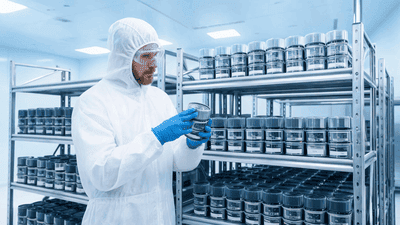
Different semiconductor materials face different shelf life challenges depending on their chemical properties and manufacturing applications.
Photoresists
Photoresists are among the most sensitive semiconductor materials. Their chemical composition must remain stable to ensure accurate lithography results.
Changes in viscosity, chemical activity, or contamination levels can affect pattern formation and reduce wafer yield. Because advanced semiconductor processes require extremely precise lithography, photoresist inventory management requires strict temperature control and expiration tracking.
Electronic Chemicals
Electronic chemicals used for cleaning, etching, and processing wafers require high purity and contamination control.
Although some chemicals may have longer storage periods, semiconductor manufacturers must carefully monitor storage conditions because impurities can directly affect manufacturing results.
Specialty Gases
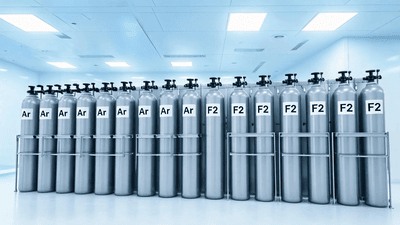
Semiconductor gases require specialized storage systems and safety controls. Maintaining adequate supply requires coordination between gas suppliers, transportation networks, and semiconductor fabs.
Gas inventory management must consider both shelf stability and supply continuity because shortages can quickly impact manufacturing operations.
Silicon Wafers
Silicon wafers generally have longer storage stability compared with chemical materials, but they still require controlled environments to prevent contamination and surface degradation.
For advanced processes, wafer quality requirements continue becoming stricter, increasing the importance of proper inventory management.
The Challenge of Balancing Inventory Costs and Supply Security
Semiconductor companies face a constant trade-off between inventory efficiency and supply chain resilience.
Low inventory levels reduce storage costs and minimize expiration risks, but they increase vulnerability to supply disruptions.
High inventory levels improve supply security but create financial costs, storage requirements, and potential material waste.
The optimal strategy depends on multiple factors, including material criticality, supplier concentration, demand volatility, and production requirements.
For strategically important materials, companies may accept higher inventory costs because the cost of production interruption is much greater than the cost of holding additional stock.
The Impact of Semiconductor Market Cycles
Semiconductor markets are highly cyclical, creating additional challenges for material inventory management.
During periods of strong demand, semiconductor manufacturers increase production and consume materials quickly. Suppliers may struggle to increase capacity immediately, leading companies to build additional inventory.
During downturns, demand can decline rapidly, leaving companies with excess material inventory.
This creates a difficult situation because semiconductor materials purchased during expansion periods may become unnecessary when market conditions change.
Effective inventory management therefore requires accurate forecasting and flexible supply chain strategies.
The Role of Digital Technologies in Inventory Management
Advanced digital technologies are becoming increasingly important for semiconductor material inventory management.
Companies are adopting automated tracking systems, artificial intelligence forecasting models, and real-time inventory monitoring platforms to improve decision-making.
Digital systems can track material expiration dates, storage conditions, consumption rates, and supplier performance.
Artificial intelligence can analyze historical production data and market trends to predict future material requirements more accurately.
These technologies help semiconductor companies reduce waste while maintaining stronger supply chain protection.
Supplier Collaboration and Long-Term Partnerships
Semiconductor material inventory management cannot be separated from supplier relationships.
Because many semiconductor materials require lengthy qualification processes, companies often develop long-term partnerships with key suppliers.
Close supplier collaboration allows manufacturers to improve demand forecasting, coordinate production schedules, and respond more quickly to market changes.
Some semiconductor companies work with suppliers to establish strategic inventory programs where materials are reserved specifically for critical production needs.
This approach improves supply security while reducing the need for semiconductor manufacturers to hold excessive inventory themselves.
The Importance of Regional Supply Chain Resilience
Recent global disruptions have increased attention on regional semiconductor supply chains.
Many countries are investing in domestic semiconductor manufacturing, but local production requires reliable access to materials.
Regional material supply networks can reduce transportation risks and improve response times during emergencies.
However, building regional supply chains requires significant investment because semiconductor materials depend on specialized technology and strict quality standards.
The future semiconductor ecosystem is likely to combine global specialization with regional resilience strategies.
Inventory Strategies for Advanced Semiconductor Manufacturing
Advanced semiconductor manufacturing requires even more sophisticated inventory strategies because process complexity continues increasing.
Leading-edge fabs use more specialized materials and operate with tighter manufacturing tolerances. A small material variation can affect production yield and profitability.
Therefore, advanced semiconductor companies often prioritize reliability and quality over short-term cost reduction.
They may maintain additional safety stock for critical materials, develop multiple supplier relationships, and invest in advanced inventory monitoring systems.
The Growing Importance of Material Recycling and Reuse
As semiconductor materials become more expensive and strategically important, recycling and reuse are gaining attention.
Recovering valuable materials from production waste can reduce dependence on external supply sources and improve sustainability.
Recycling is particularly attractive for materials containing rare or strategically important elements.
Although recycling cannot completely replace primary material production, it can provide additional supply flexibility and reduce inventory pressure.
Future Outlook for Semiconductor Material Inventory Management
The importance of semiconductor material inventory management will continue increasing as the industry expands into new markets.
Artificial intelligence, electric vehicles, renewable energy, and advanced computing applications are driving semiconductor demand growth. At the same time, manufacturing processes are becoming more complex and material requirements more demanding.
Future semiconductor supply chains will need to become more intelligent, flexible, and resilient.
Companies that successfully integrate forecasting technology, supplier collaboration, and strategic inventory planning will gain important competitive advantages.
Conclusion
Shelf life and inventory management of semiconductor materials represent a critical test of supply chain resilience. Unlike ordinary manufacturing supplies, semiconductor materials require exceptional quality control, precise storage conditions, and careful demand planning.
The challenge is not simply maintaining more inventory. It is creating a balanced system that protects production continuity while minimizing waste and cost.
As semiconductor technology continues advancing and global supply chains face increasing uncertainty, effective material inventory management will become a defining capability for semiconductor manufacturers and suppliers.
The companies that master this balance will be better positioned to support future semiconductor growth and maintain stability in an increasingly competitive global market.